
Timor-Leste Eliminates LF Using Triple Therapy
Congratulations to the people of Timor-Leste, the first country to achieve elimination of lymphatic filariasis (LF) using the WHO-recommended strategy of mass drug administration of Mectizan® (ivermectin, donated by Merck & Co.), DEC (donated by Eisai), and albendazole (donated by GSK)—also known as IDA or “triple therapy.”
Timor-Leste began its campaign to eliminate LF in 2005 using DEC and albendazole. In 2019 Mectizan was added to accelerate elimination.
Thanks to the commitment of the government, financial support from the Korea International Cooperation Agency, and technical assistance from the World Health Organization (WHO), Timor-Leste joins Bangladesh, Maldives, Sri Lanka, and Thailand as the fifth country in the region to achieve LF elimination.
This is a tremendous achievement that inspires hope for success in other LF-endemic countries working to end this debilitating disease.
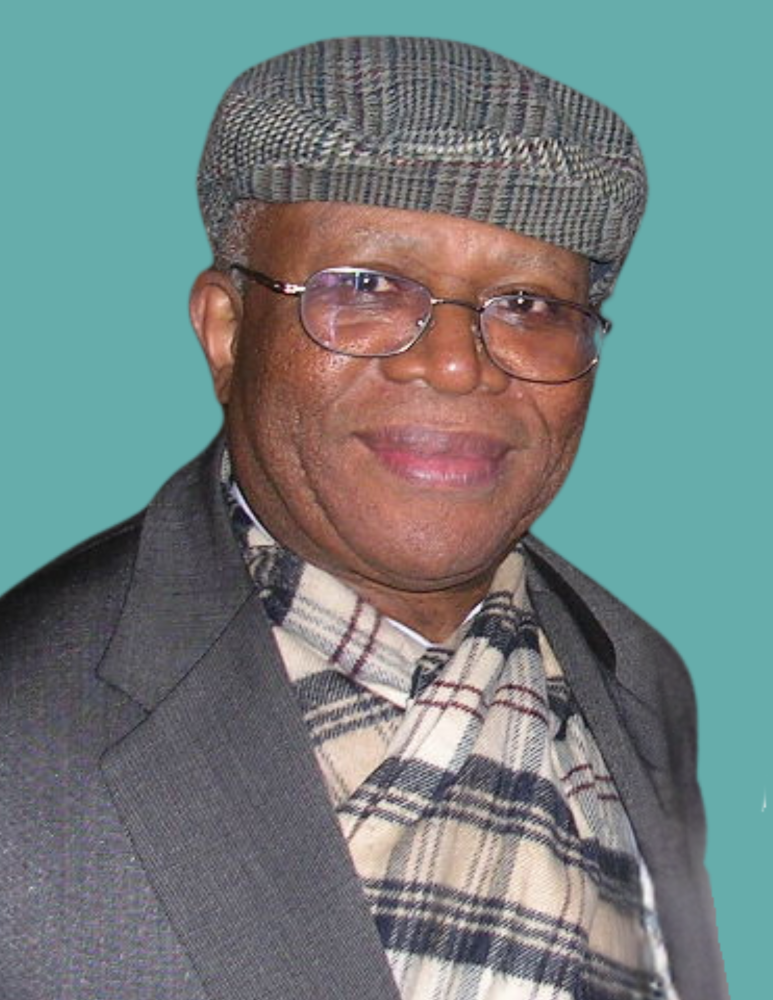 Remembering Dr. Azodoga Sékétéli
The Mectizan Donation Program was saddened to hear of the death of Dr. Azodoga Sékétéli, Director of the WHO African Program for Onchocerciasis Control (APOC) from 1999 to 2005.
Dr. Sékétéli’s enormous contributions to river blindness control and elimination played a major part in the program’s early success. His career with WHO spanned 29 years, most of which were devoted to river blindness control in Africa.
Dr. Sékétéli helped build the APOC partnership to include 19 countries, international and local implementing partners, and the donor community. Dr. Sékétéli also helped build a strong partnership among APOC, MDP, the Mectizan Expert Committee, and Merck & Co., Inc. In collaboration with the World Bank, he played a key role in mobilizing funds to implement mass drug administration with Mectizan in APOC Participating Countries. Dr. Sékétéli’s leadership and commitment to river blindness control helped increase the number of people targeted for treatment with Mectizan for river blindness from 29,740,688 in 1999 to 54,284,805 in 2005.
MDP Marks 37 Years of Mectizan Donation
This month the Mectizan Donation Program is pleased to observe the 37th anniversary of Merck & Co., Inc.’s historic donation of Mectizan. On October 21, 1987, Merck’s then-CEO, Dr. Roy Vagelos, announced the donation of Mectizan “as much as needed, for as long as needed” for the elimination of river blindness. This groundbreaking decision inspired other pharmaceutical companies to donate medicines for neglected tropical diseases, introducing “pharmaco-philanthropy” as a model for pharmaceutical companies to improve global health in developing countries.
In 1998 the mandate was expanded to include LF where it is co-endemic with river blindness. It was expanded again in 2017 to provide Mectizan through 2025 to accelerate LF elimination in countries and territories eligible for “triple therapy” with Mectizan, albendazole, and DEC.
Since 1987, over five billion treatments of Mectizan have been approved for 58 countries. Four countries have eliminated river blindness in the Americas and more are on the horizon in Africa. Lymphatic filariasis has been eliminated using bi-therapy (Mectizan+albendazole) in Malawi, Togo, and Yemen or using triple therapy in Timor-Leste.
Congratulations to Jimmy Carter on His 100th Birthday
On October 1, we joined the world in celebrating the 100th birthday of former President Jimmy Carter. President Carter and his late wife, Rosalynn, have been longtime champions of the fight against neglected tropical diseases. Since 1986, The Carter Center has been leading the international campaign to eradicate Guinea worm disease.
The Carter Center began fighting river blindness in 1996, and later added lymphatic filariasis elimination to the Center’s impressive portfolio of health programs. In 1994, President Carter traveled to a river blindness-endemic community in Chad with Dr. Roy Vagelos, the MSD CEO who made the decision to donate Mectizan. President Carter commented on MSD’s generosity, stating: “The Mectizan donation story is a powerful reminder that it is possible to help people change their lives… This partnership among private, public, and nonprofit organizations has significantly improved the health of millions of Africans who are at risk for river blindness.”
Thank you, President Carter.
The Mectizan Donation Program Welcomes Sharon Dorsey to the Team
We are pleased to announce the addition of Sharon Dorsey to the MDP team in the role of project coordinator. Sharon will provide meeting planning, financial management, communications, and administrative support to the program. Before joining MDP, Sharon worked at Emory University’s Rollins School of Public Health, serving as the chair’s assistant in the Hubert Department of Global Health and as the program coordinator for the Food Fortification Initiative. She began her career at the Task Force for Global Health as the senior secretary to the CEO.
Sharon is replacing former program associate Ann Meller. Among her many duties, Ann coordinated many Mectizan Expert Committee meetings and aided our transitions during the pandemic shutdown. We wish her well in her new position at the Task Force for Global Health.

World Sight Day Observed
On World Sight Day, MDP was pleased to reflect on the dramatic progress made in the campaign against river blindness worldwide. Also known as onchocerciasis, river blindness is the world’s second leading cause of infectious blindness. River blindness can cause visual impairment, blindness, debilitating itching, and skin disfigurement. After 37 years of treatment with Mectizan, these clinical symptoms are rarely seen, and the disease is now being targeted for elimination of transmission by WHO. As symptoms have been controlled, elimination efforts must intensify to achieve high treatment coverage with Mectizan. Younger generations are no longer witness to the suffering river blindness once caused. Country-led social mobilization campaigns encourage communities to continue taking Mectizan until transmission has been eliminated. Together, we can Stamp Out Oncho!
WHO Publishes Three Annual Reports on River Blindness and Lymphatic Filariasis
River Blindness in the Americas
The WHO Weekly Epidemiological Record has published “Progress in eliminating onchocerciasis in the WHO Region of the Americas: Report from the InterAmerican Conference on Onchocerciasis (IACO) 2023.” This annual report shares the latest progress for the campaign to eliminate transmission of river blindness in the last remaining endemic area of the Americas.
The Yanomami Focus Area (YFA) is located in a Brazil-Venezuela cross-border transmission zone with over 39,000 people at risk. After successfully eliminating river blindness in Colombia, Ecuador, Guatemala, and Mexico, the Onchocerciasis Elimination Program for the Americas plan for the YFA is to provide effective distribution of Mectizan in treatment rounds given at least semiannually.
In 2023, Brazil did not reach its semiannual treatment goal in both rounds. Venezuela reached 86% coverage in the first semiannual treatment round, but not in the second. Venezuela has also targeted 67 high-priority communities with a quarterly MDA approach; in 2023, coverage was 81%, 90%, 92% and 83% of the eligible population each quarter.
The Global Program to Eliminate Lymphatic Filariasis
The WHO has also published its annual progress report on lymphatic filariasis, “Global programme to eliminate lymphatic filariasis: progress report, 2023.” In 2023, 657 million people in 39 out of the 72 LF endemic countries still require medicines to eliminate LF. This is a significant reduction. The number of people at risk of infection was 1.2 billion people before mass drug administration with Mectizan and albendazole, albendazole and DEC, or the co-administration of Mectizan, albendazole, and DEC recommended by WHO to accelerate treatment in eligible countries. Today, 871.3 million people no longer require treatment in countries where the disease has been eliminated or where the five-year post-treatment surveillance phase is ongoing. This progress is a good sign that the WHO Road Map 2021-2030 target to achieve elimination of LF as a public health problem in 58 countries can be achieved.
Global Campaign to Eliminate Transmission of River Blindness
“Progress report on the elimination of human onchocerciasis, 2023-2024,” is also now available. WHO estimates that 249.5 million people in 28 countries require Mectizan to eliminate river blindness. In 2023, 172.2 million people were treated for river blindness, representing 69% coverage. By 2024, mass drug administration with Mectizan is no longer needed for 18.8 million where post-treatment surveillance is being conducted to ensure transmission has been interrupted.

NGO Spotlight
Protecting a Community in Cameroon from River Blindness
Helen Keller Intl (HKI) leads USAID’s Act to End NTDs | West Program in Cameroon, supported by consortium leader FHI 360. In this new video, Patrice Messolo describes his path from watching family members lose their sight to river blindness to becoming a Community Drug Distributor of Mectizan. After more than 20 years of work, he has observed the growing positive impact on his community in Cameroon: “It has greatly reduced blindness. There aren’t as many blind people as there used to be.”
The Mectizan Donation Program is an international program to eliminate river blindness and lymphatic filariasis primarily funded by Merck, with support from GSK.
*Merck & Co., Inc., Rahway, New Jersey USA, is known as MSD outside the United States and Canada.